


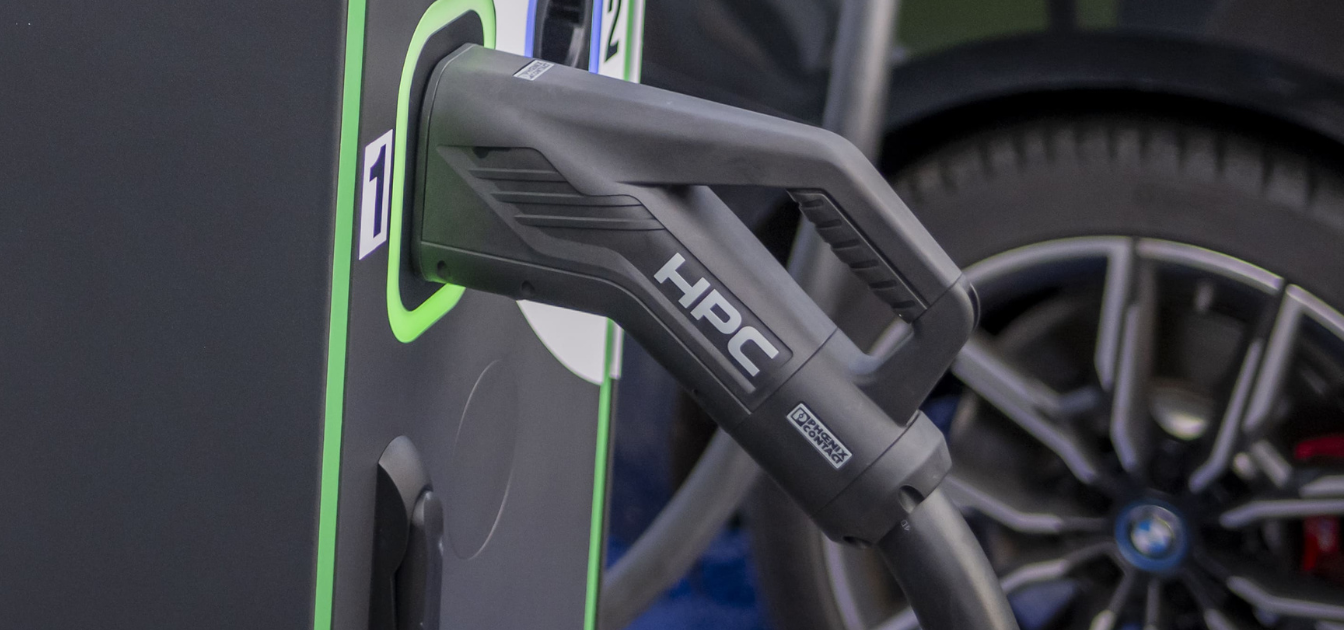
Charging your electric vehicle (EV) doesn’t need to be confusing. Terms like AC, DC, Type 2 and CCS might sound technical, but once you understand the basics, plugging in becomes second nature.
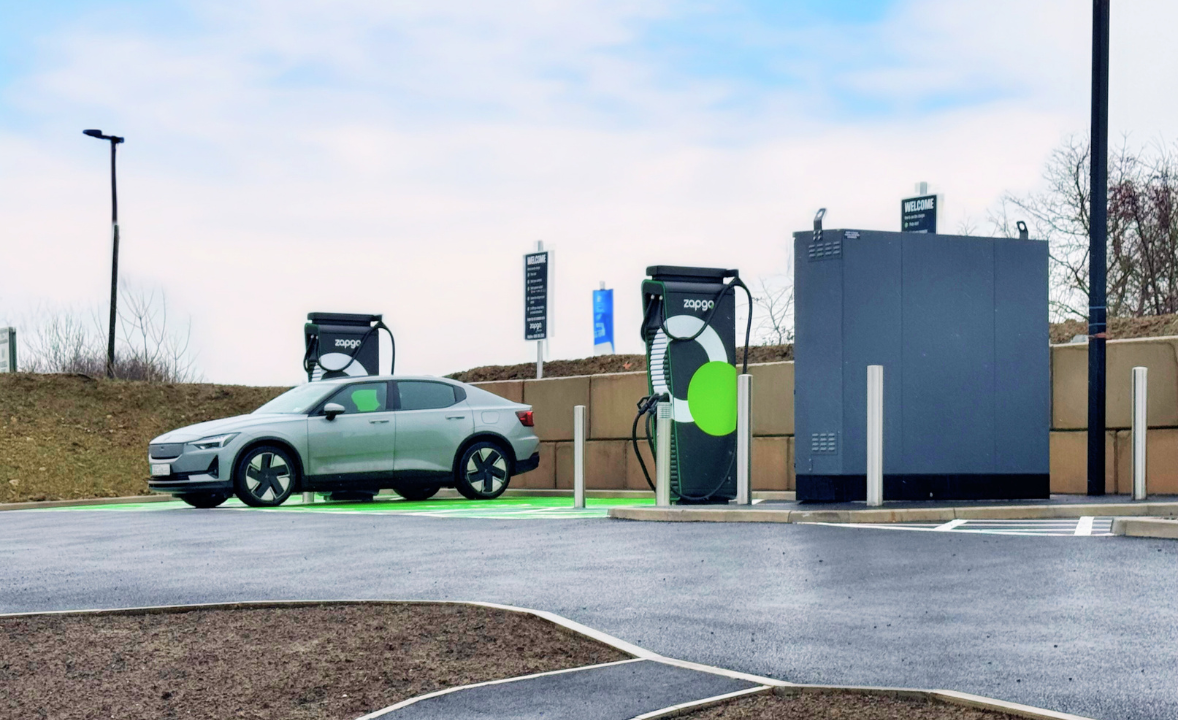
At its simplest, EV charging is just moving electricity from the grid into your car’s battery. When you connect at a Zapgo charger, your car and the charger instantly communicate to agree on power and manage the session safely, so you don’t need to fiddle with settings. Zapgo’s rapid and reliable network is designed so drivers can plug in and charge quickly with confidence and ease.
.png)
There are two types of power you’ll come across:
AC Charging (slower, steady power)
This is the same electricity that your home uses. With AC chargers, your car’s onboard system converts this power to a form the battery can use. Because this conversion happens inside your vehicle, AC charging doesn’t tend to be as fast. You’ll find AC chargers (usually 3kW to 22kW) at places where cars are parked for longersuch as work, shopping or leisure visits.
.png)
DC Charging (rapid power right to your battery)
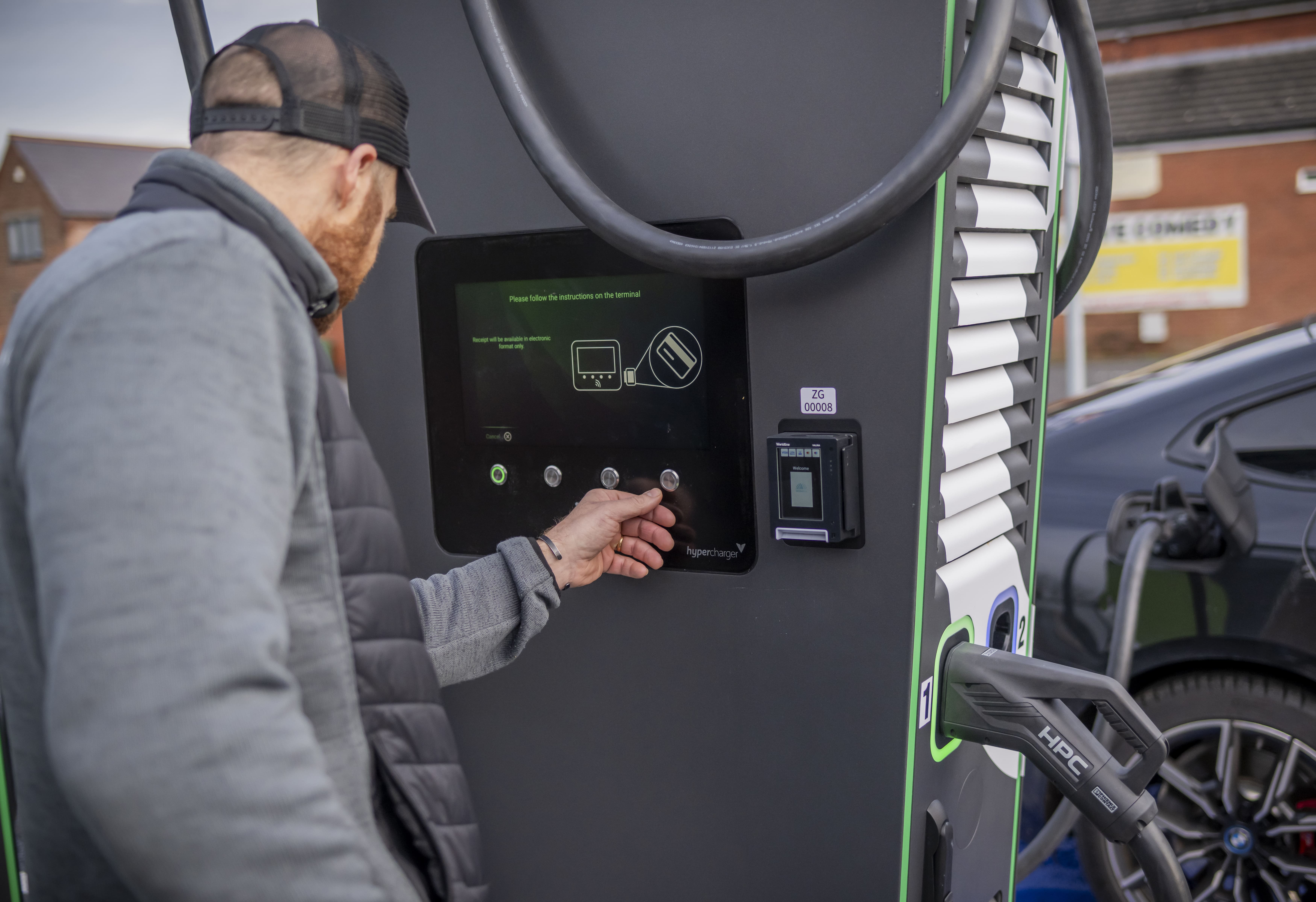
DC chargers convert power before it reaches your vehicle, letting electricity flow straight into the battery. That’s why rapid DC charging (often 50kW to 300kW) can add significant range in 20 to 30 minutes.
Zapgo is rolling out a network of DC chargers at hand-picked locations across the UK.
Modern EVs in the UK use standardised connectors, so public charging is much easier than in the early days.
Type 2: Standard for AC charging
Every EV sold in the UK has a Type-2 port for AC charging. It’s the connector you’ll use at most slow and fast chargers.
CCS: Rapid charging standard
CCS combines a Type-2 plug with extra pins for DC power. Nearly all newer EVs use CCS for rapid charging, and Zapgo chargers support this standard so most drivers can plug in without adapters.
CHAdeMO: Older rapid standard
Some older electric cars such as earlier Nissan Leafs still use CHAdeMO.
If you’re unsure which connectors your car uses, check the label inside your charging port or your vehicle handbook.
Charging speed is measured in kilowatts (kW). More kW means faster energy flow to your battery. But remember, your car can only accept power up to its own limit, so it won’t necessarily charge at the charger’s maximum.
.png)
Typical speeds include:
3-7kW: Best for overnight or long parking.
7-22kW: Great for a couple of hours while you shop or dine.
50-100kW: Rapid charging for a short break.
150-300kW: Ultra-rapid for quick top-ups on long trips.
Most drivers charge to around 80% on the road: Batteries fill fastest up to that point, and slowing down after preserves battery health.
Know your connectors: Type 2 for AC; CCS/CHAdeMO for DC.
Check your car’s max charging rate: Your car will charge at its own limit.
Use the Zapgo App: Check to see availability.
.png)
Need help? Zapgo provides 24/7 support so you can charge confidently wherever you go.
If you liked this post you may like our other posts as well.



.png)
%20(589%20x%20360%20px).png)
.png)
.jpg)
.jpg)
.png)
.png)



.png)

%20(1).png)
.png)
