Designing charging sites around people, not just their cars
September 21, 2026
It can’t be overstated. The key to a good charging network is having reliable chargers in the right locations. But that only reflects part of the experience.
Drivers and cars may come to a site as one but you shouldn’t expect the driver to simply sit inside their car while it charges. Drivers need somewhere safe and comfortable to spend their time, whether that means grabbing a coffee, using the toilet, doing some shopping, or simply stretching their legs on some grass. In this Zapgo Insights article, we look at why the charging sites of the future need to be designed around the people using them not just the vehicles they arrive in.
No one would suggest that the most important piece of equipment at any EV charging site isn’t the charger itself. It’s vital that it works, delivers the speed a driver expects, and is straightforward to use and pay for.
But imagine arriving at a rapid charger on a cold, wet evening. The charger works perfectly but the car park is poorly lit, there’s nowhere nearby to get a drink or use the toilet, and nothing to do besides sit in the car with your doors locked.
Technically, from a charging perspective, the site would have done its job. Seen through the lens of the driver experience, however, it likely has not.
The charger is only part of the experience
With more EVs than ever on UK roads, the charging industry needs to move its thinking beyond just the charger itself and give increasing attention to the charging experience as a whole.
Unlike filling up at a petrol station forecourt, charging creates a window of time in which the driver is generally away from the wheel. Rapid and ultra-rapid charging technology have dramatically reduced that period, but drivers may still have 15, 20, or 30 minutes available before continuing on their journey. And what happens in that time matters.
A well-designed charging site gives drivers somewhere useful and enjoyable to spend their charging time. This is why we focus on destination charging. Build a charger at a site where people already like to come and spend their time, and the act of charging simply becomes part of their routine, as simple as locking the doors when they step away from their vehicle.
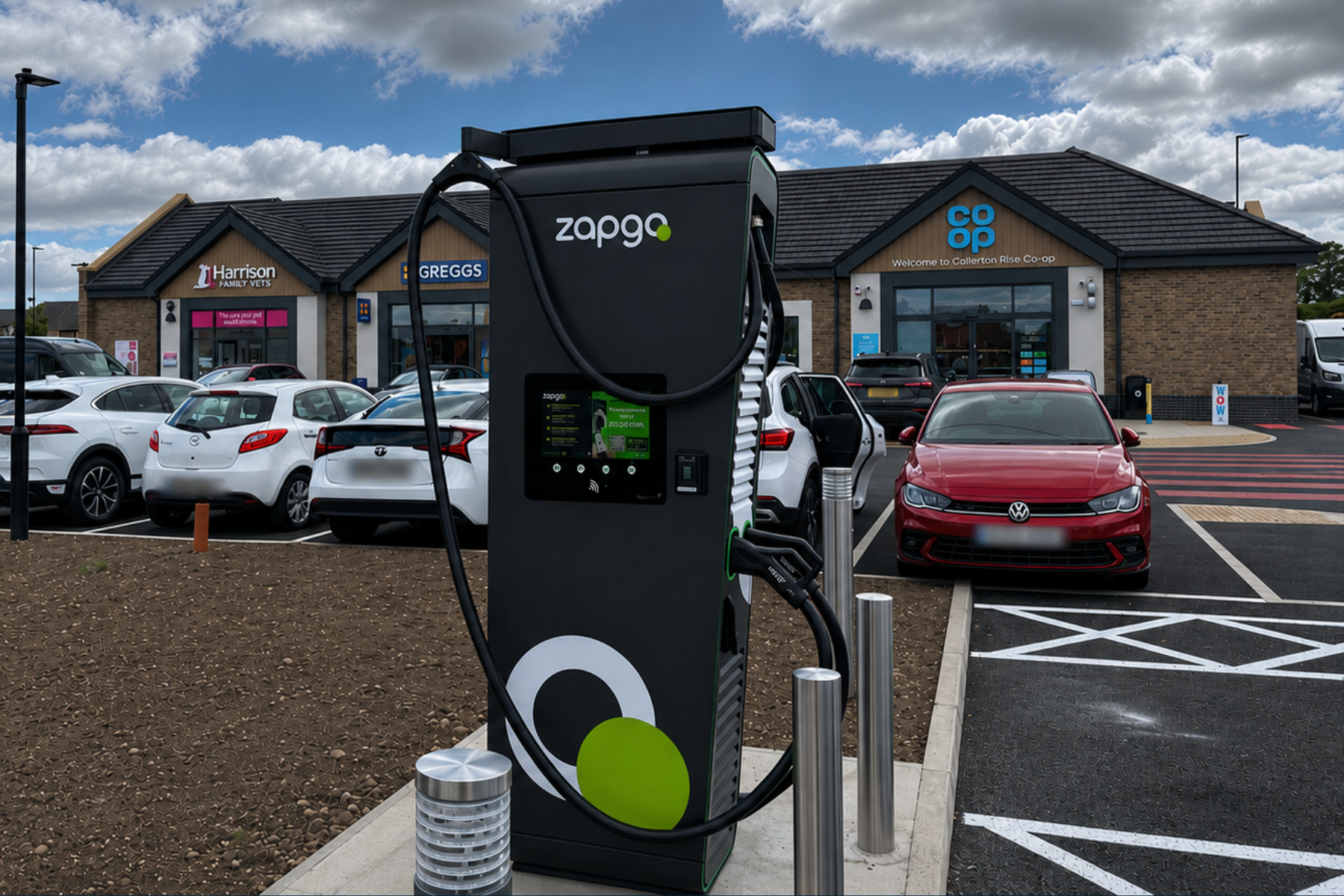
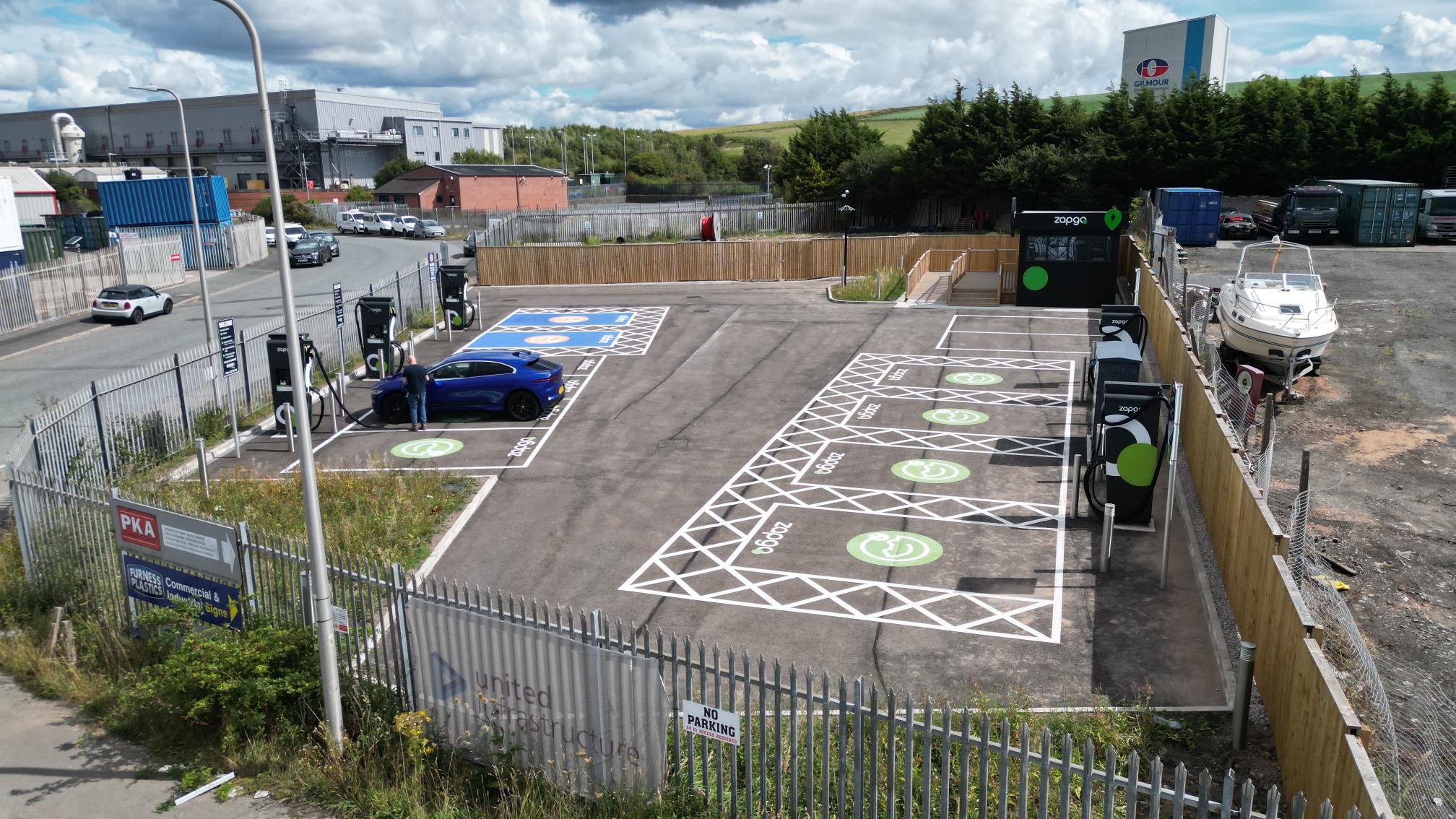
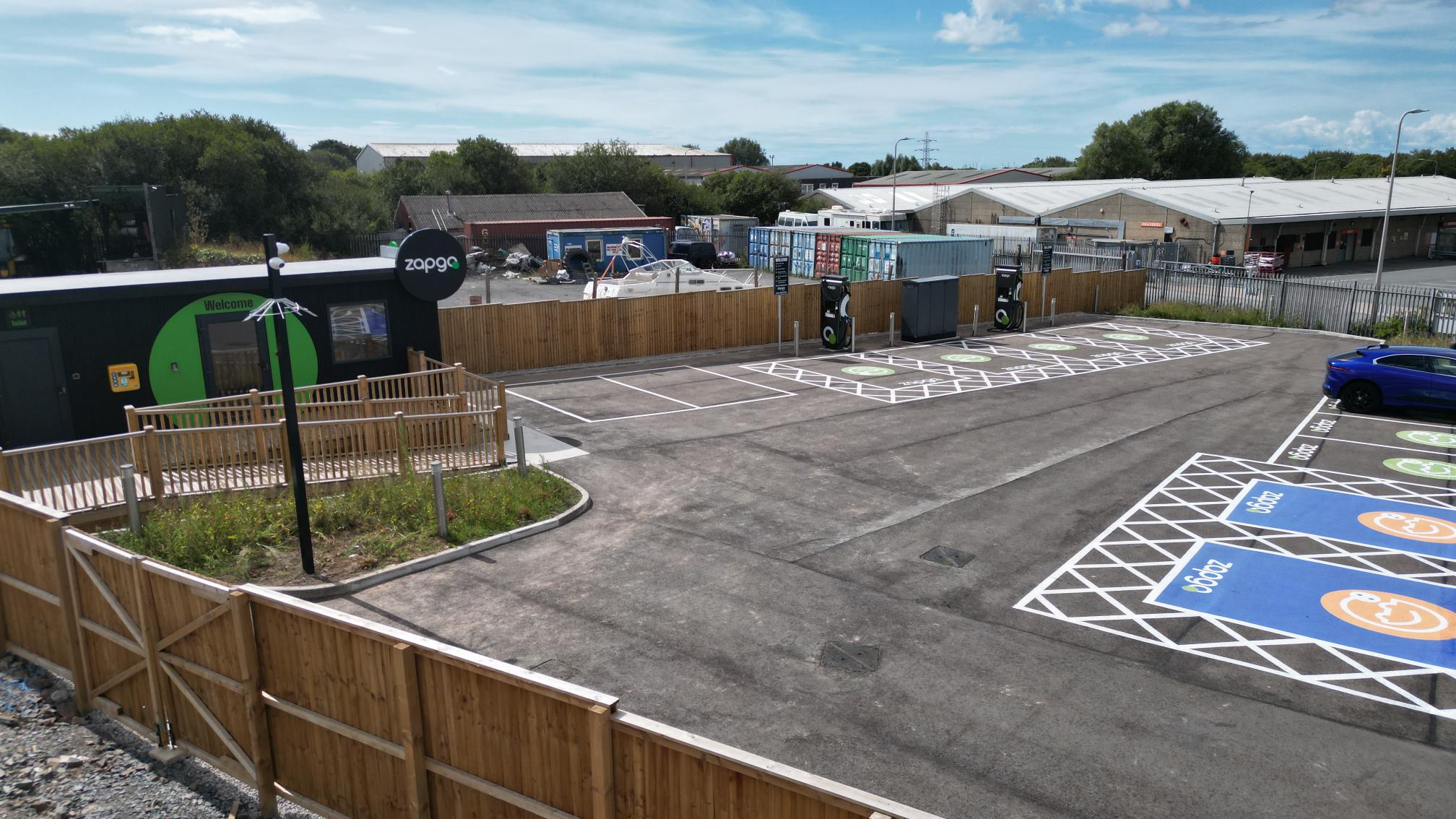
Our Fussels site in Somerset, for example, sees drivers exploring the Foodie Hub and local produce in the farm shop while their car charges in the background. At our Callerton Rise Retail Park site, visitors do their shopping at the Co-op or grab a pastry and coffee from Greggs while they charge. The car may be charging, but the driver is just doing what they’d be doing there anyway. Furthermore, at Sowerby Wood, we have installed not just the chargers, but the amenity too, in the form of a drivers rest room with a coffee machine, vending machine, and toilets.
Amenities are part of the infrastructure
When people in our sector talk about EV infrastructure, they tend to focus on chargers, power supply and grid connections.
From a driver’s perspective, however, the fact that a charger works and charges their vehicle quickly is viewed as a given. To them, toilets, food and drink, shelter, lighting and nearby facilities are often what truly influence their view of a charging stop.
These amenities only become more important when somebody is charging late at night, travelling with young children, has reduced mobility, or simply needs somewhere comfortable to take a break. Good amenities, therefore, are not just decorative ‘extras’. They are a crucial part of the wider charging experience.
Getting the charging experience right
There is also a commercial reason for landlords to care about the driver experience at their site. Destination charging creates dwell time. So drivers who find their stop to be in somewhere pleasant which offers utility beyond simply charging their vehicle are more likely to spend money at nearby businesses and, crucially, have a reason to choose that location again.
For Zapgo, the ideal charging location is relatively simple: rapid and reliable chargers, competitive pricing, a clean, safe and well-lit environment, attractive amenities and a site that is convenient to reach.
Putting people first
As the UK charging network expands, it would be wrong to simply measure success by counting the number of chargers. We also need to ask whether the experience at a charger is a good one for drivers.
Can they charge easily? Do they feel safe? Is the equipment accessible to all drivers? Is there somewhere useful or enjoyable to spend their time? And would they choose to come back?
Ultimately, the purpose of all infrastructure is to improve the lives of the people who use it.
“A well-designed charging site gives drivers somewhere useful and enjoyable to spend their charging time.”